.

As a startup, managing your financials efficiently is crucial. Your accounting software should not only help you keep track of your financial health but also allow for automating repetitive tasks to save time and effort. In 2023, several high-quality accounting automation software products have emerged as the best options for startups. In this post, we delve into the details of the top five.
Read related article: Why you should consider integration CRM and accounting?
Zoho Books
Best Free Accounting Software
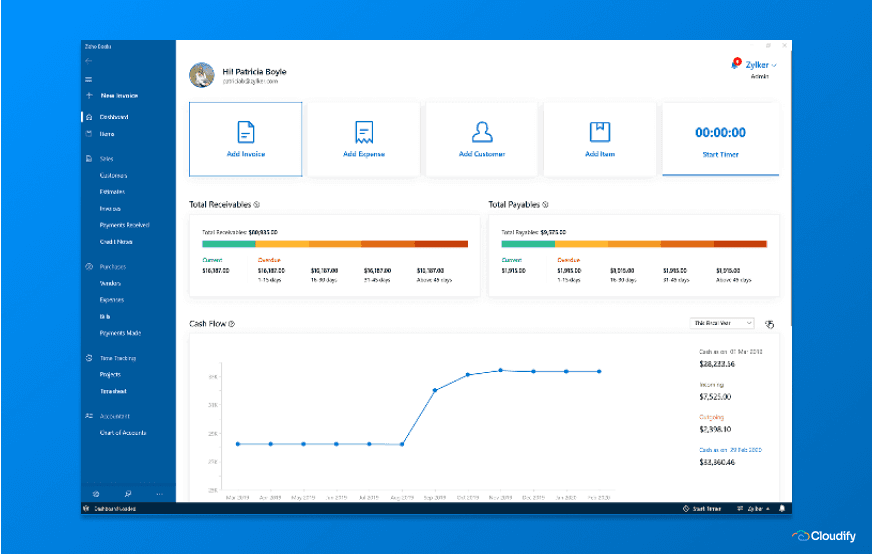
Starting with a free offering and scalable to a paid service, Zoho Books provides a comprehensive accounting suite tailored for startups. Zoho Books allows for efficient invoicing, payroll management, and mobile accessibility, making it a versatile option for startups operating on a budget. As startups often operate remotely or from multiple locations, Zoho Books' cloud-based system ensures data accessibility, ensuring efficient financial control.
QuickBooks
Best for Freelancers
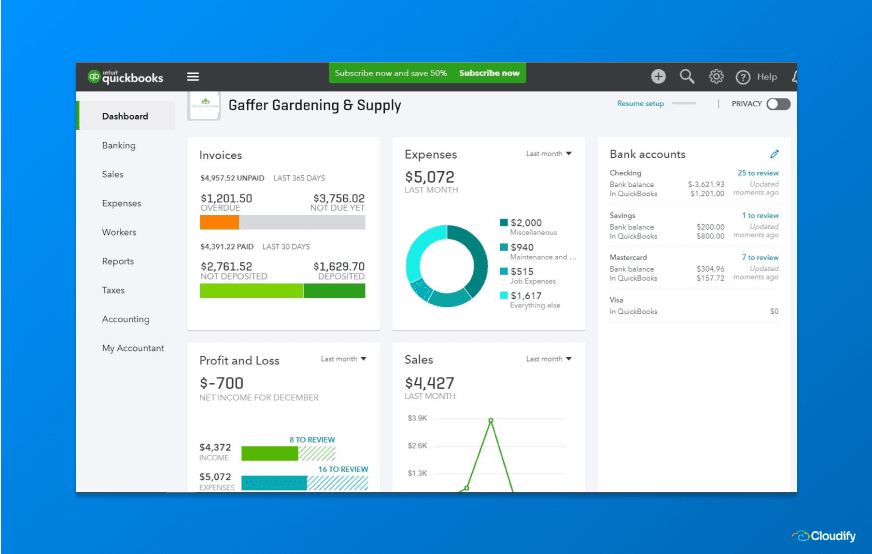
QuickBooks, a product from Intuit, is well-known for its detailed feature set and user-friendly interface. It is suitable for freelancers and small startups, offering features like expense tracking, invoicing, and more. Its easy-to-use dashboard and ability to integrate with other business tools make it a favoured choice among startups
Xero
Best for Advanced Features
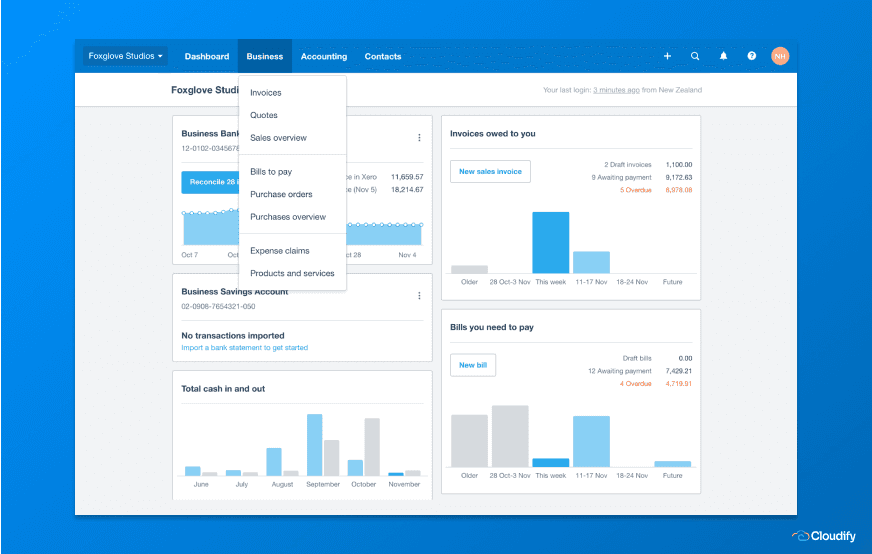
Xero, with its advanced features, helps startups manage their accounting efficiently. It provides a wide range of features, such as invoice management, payroll, and inventory management, making it a robust accounting solution. Its cloud-based platform allows for real-time data access, ensuring that startups can make quick, informed financial decisions.
Visma e-conomic
Multi-lingual online accounting and bookkeeping software
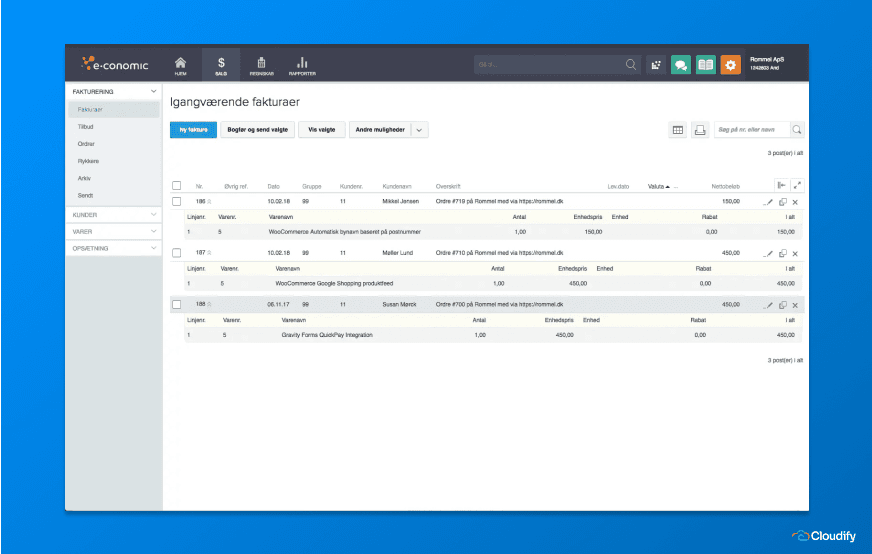
e-conomic, a user-friendly accounting solution, is designed for small to mid-sized businesses, primarily in European regions like Denmark, Sweden, and Norway. The software offers a suite of tools for bookkeeping, and business profitability, and provides accountants with secure, digital access to financial records.
Supporting multi-language and multiple integrations, e-conomic accommodates eCommerce functionalities including inventory management, web shop, and payroll processing. It also promotes a developer community through REST API and SOAP, enabling custom applications.
Related use cases: Alertsystems | Vendemus | Helion B2B | Dansk | Pubfront | Nerd911 | Arne Aksel
Microsoft Business Central
Unifies business management

Microsoft Dynamics 365 Business Central is an all-inclusive solution for business management, designed to unify the efforts of finance, sales, service, and operations teams in small to midsize companies through a single, user-friendly interface. It enables swift implementation and user acceptance with step-by-step instructions for getting started, intelligent guidance for the next best course of action, and compatibility with familiar Microsoft 365 applications.
Transitioning to the cloud with confidence allows businesses to streamline digital processes and uncover the critical insights necessary for quicker adaptability, more intelligent work strategies, and enhanced performance. With each passing day and minute presenting new challenges, be prepared for future events and tap into boundless opportunities with Business Central.
Related link: Considerations for Implementing a New Accounting System
Honourable Mentions:
Sage Business Cloud Accounting: Known for its automation capabilities, Sage provides easy-to-understand reports and gives better visibility over open jobs and business finances. It offers automatic categorisation and import of transactions, reducing admin time and improving accuracy.
Kashoo: Recognised as one of the best accounting software for startups, Kashoo offers robust features that cater to the unique needs of new businesses.
Ramp: Ramp offers a set of AI-powered tools and integrations that streamline the accounting process. It automatically collects every receipt and categorises expenses based on past transactions and patterns.
Frequently Asked Questions
What is the Cloudify Partner Program?
The Cloudify Partner Program is a structured reseller and referral program for accountants, advisory firms, and digital agencies. Partners earn recurring commissions by introducing clients to Cloudify's automation platform, which connects Shopify, Amazon, WooCommerce, HubSpot, Pipedrive, Xero, and QuickBooks. Cloudify handles demos, workflow mapping, and technical onboarding — partners earn structured commissions without managing the implementation themselves.
Who should join the Cloudify Partner Program?
The program is designed for two audiences: (1) Accounting and advisory firms that work with ecommerce clients and want to offer automation as part of their service stack, and (2) Digital and web agencies that manage clients' tech stacks and want to add integration and workflow automation without hiring developers.
What integrations does Cloudify support for partners?
Cloudify supports integrations including Shopify–Xero, Shopify–QuickBooks, HubSpot–Xero, Pipedrive–Xero, Amazon–Xero, WooCommerce–Xero, and payroll automation. Full integration details are available at (accounting systems) and CRM systems).
How do Cloudify partners earn commissions?
Cloudify offers structured recurring commissions. Partners earn on every client they onboard, with commissions continuing as long as the client stays active. Apply here.
Does Cloudify provide onboarding support for partners?
Yes. Cloudify provides done-for-you onboarding exclusively for partners and their clients. This includes demos, workflow mapping, and technical setup — all managed by the Cloudify team. Details here .